
Founder Stories: Narrowing Down Your ICP to Generate More Revenue, Faster
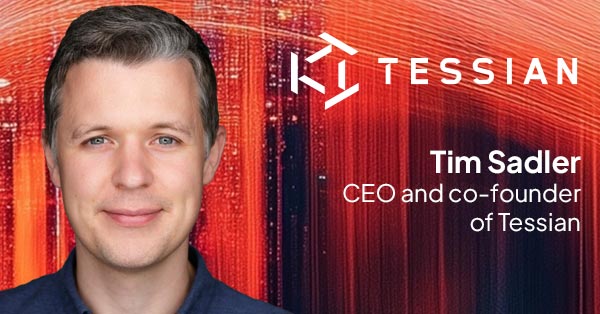
Tim Sadler, CEO and co-founder of Tessian (now part of Proofpoint), started his cybersecurity journey in 2012. Tessian was acquired by Proofpoint in 2023 after raising $120M from top-tier investors. Today, Tim is Group VP and General Manager of Tessian Group at Proofpoint.
Background
My co-founders, Ed Bishop and Tom Adams, and I all came from engineering and mathematics backgrounds before moving into investment banking. We had no cybersecurity experience—but while working in large financial institutions, we noticed a massive problem: employees were sending highly confidential information over email, and sometimes to the wrong recipients.
The existing solutions weren’t working. We believed technology could prevent these errors in a smarter way. So, in 2012, we left our jobs to start Tessian.
We didn’t have commercial experience, but we did have an obsession with solving this problem and a knack for storytelling—skills that helped us connect with early customers.
Thinking About ICP in the Early Days
In theory, any organization that uses email could be a customer. Early on, we sold to all kinds of companies—different sectors, different sizes—mostly whoever we could reach through our networks or cold outreach.
After the first 20 or so customers, patterns began to emerge. Legal and Financial Services firms resonated most with what we were building because of their sensitivity to data and compliance risk. Those patterns helped us define our first Ideal Customer Profile (ICP) and focus our efforts on a repeatable sale.
Getting Enough Meetings to Find ICP Insights
We used every connection we had, took meetings with anyone who would talk to us, and learned from every conversation.
I also believed it was crucial to master cold outreach—writing compelling emails and LinkedIn messages to complete strangers. This forced us to communicate clearly and test what resonated. Founders who embrace this early on learn faster than those who don’t.
Cold outreach can be tedious, but it’s a powerful learning tool. I’d encourage founders to A/B test messages, personalize them, and embrace the discomfort. The willingness to do boring, hard things becomes a competitive advantage.
We also made sure that more than one founder joined each prospect meeting. That way, we captured more insights into how potential customers described their pain points—and used that to refine both our product and messaging.
The Benefits of Narrowing Down the ICP
Focusing on a clear ICP helped us punch above our weight early on. It gave us instant credibility when approaching large organizations, because we could speak their language.
By targeting similar types of companies daily, we built deep expertise in their challenges, goals, and terminology. This built trust quickly. In fact, much of our early sales narrative came directly from customer conversations. Listening mattered more than pitching.
It also made social proof powerful. Law firms care about what other law firms are doing. The same goes for banks. Once we could reference existing customers in a given market, it became much easier to close new deals.
That focus created a snowball effect—each win increased our credibility and influence. Over time, we were seen as thought leaders within those sectors. Our marketing, content, and events all targeted the specific issues facing legal and financial professionals, allowing us to build authority fast.
Leveraging Early Customers for Awareness
Every new account became a springboard for the next. We weren’t just selling software—we were selling a vision for how AI could prevent human error in enterprise communication.
We made early clients feel part of that journey, almost like members of an exclusive club who were helping us change the industry. We celebrated their success stories and elevated our Champions publicly—at conferences, in media, and through case studies.
Many of these early customers became evangelists. They told our story at events, introduced us to peers, and extended our reach far beyond what we could achieve ourselves. That’s why onboarding the right first customers is critical—they can become your most valuable go-to-market (GTM) asset.
Even today, I’m still in touch with many of them. They’re proud to have been part of Tessian’s journey.
How ICP Evolved Over Time
As we grew, we got more granular within our focus areas. For example, we split the finance vertical into multiple subsectors and ran A/B tests to determine which audiences responded best.
At the same time, we experimented in adjacent industries—manufacturing, software, and others—to see where our product could also provide value. This was constant iteration: testing, learning, refocusing.
Once we identified sectors that performed better, we concentrated both GTM and product resources on those.
Having a well-defined ICP also helped us scale our sales organization. New hires could ramp faster because they knew exactly who to target, what messaging to use, and what playbook to follow. That clarity was invaluable during our scaling phase.
Advice for Founders Doing Founder-Led Sales
1. Narrow Your ICP Early
It’s one of the biggest leverage points in the early days. Be opportunistic at first to learn, but quickly analyze those wins and losses to define your ideal customer. The clarity you gain will accelerate everything—sales, marketing, and product development.
2. Embrace Cold Outreach
Don’t delegate this too soon. It’s one of the most effective ways to understand your market. Get comfortable reaching out to people who’ve never heard of you. At Tessian, we built a fearless cold outreach culture that became part of our DNA. It wasn’t just about booking meetings—it was about learning fast.
3. Learn Directly from Rejection
As a founder, you need to hear objections firsthand. Those conversations reveal where your messaging or product misses the mark. Don’t outsource this until you have a strong sense of what works.
4. Codify What Works Before You Hire
Before hiring your first sales rep, make sure you’ve built a repeatable sales motion—decks, scripts, cold email templates, and responses to common objections. Your future team will ramp faster and perform better if you can teach them from your own experience.
5. Sell a Vision, Not Just a Product
You’re not just selling a solution—you’re inviting prospects to be part of transforming a market. When people feel part of a bigger story, they’ll buy into your mission, not just your features.
6. Become a Thought Leader
In the early days, the founder is the brand. Build credibility by writing, speaking, and sharing insights about your customers’ world. Show deep understanding of their challenges so you’re not just selling into a market—you’re leading it.
7. Make Storytelling a Core Skill
Storytelling connects everything: customers, employees, and investors. It’s how you rally people around your vision and create momentum.
Final Thoughts
Defining and refining your Ideal Customer Profile is not a one-time exercise—it’s an ongoing discipline that shapes every aspect of your business.
For Tessian, narrowing down our ICP gave us speed, focus, and authority. It helped us attract the right customers, build credibility faster than competitors, and scale with purpose.
Most importantly, it reminded us that focus creates freedom—the freedom to know who you serve best, and how to serve them better than anyone else.
This interview is adapted from the book Founder-Led Sales Explained by Rav Dhaliwal and Ben Wright.